Two Cobb County Communities Worth Understanding
Both sit in Cobb County and both attract families moving into the northern Atlanta suburbs. The character, price range, and day-to-day experience of each are more different than their proximity on a map would suggest.

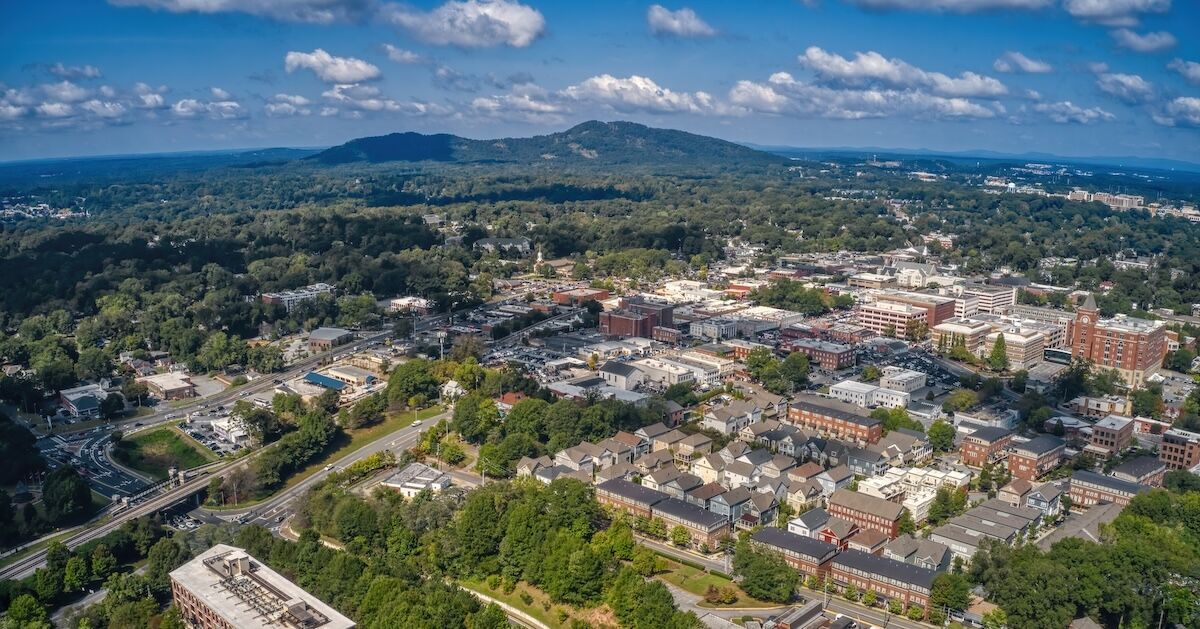
East Cobb is not a city. It is an unincorporated area within Cobb County, northeast of Marietta, with its own identity and a real estate market that operates largely on the strength of its school district reputation and established neighborhood character. Marietta, by contrast, is Cobb County's seat of government, a genuine city with its own downtown, historic square, and a housing market that spans a wider price range than East Cobb's more concentrated upper-middle tier.
The comparison matters for buyers because the two areas serve different household profiles in ways that are not always obvious from a map. East Cobb's neighborhoods are overwhelmingly suburban and residential, oriented around schools, parks, and quiet streets. Marietta offers those same suburban residential options on its outer edges while also offering something East Cobb does not: a walkable historic downtown with restaurants, civic programming, and a city-center character.
Both areas are well-served by the Cobb County School District, one of the larger public school systems in Georgia. Both connect to I-75, making Downtown Atlanta accessible in roughly 30 minutes on a normal morning. The daily experience of living in each, however, differs in ways that become clear once you spend time in both.
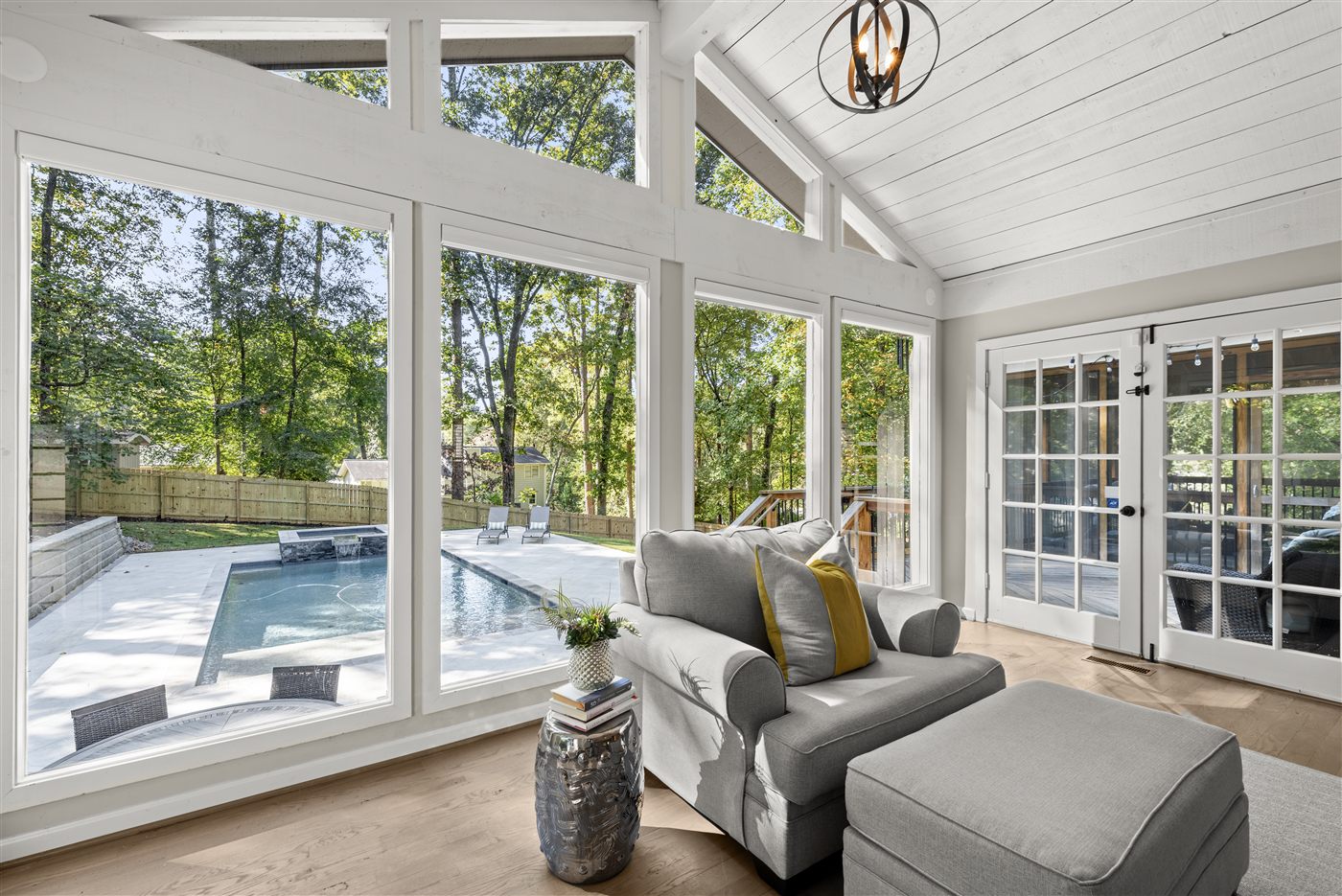
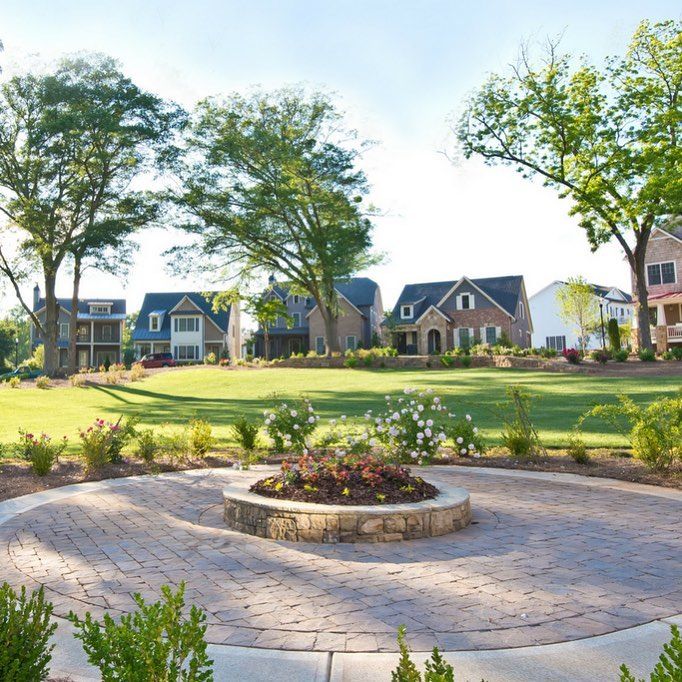
East Cobb's lifestyle is shaped by its residential density and school-focused community. Neighborhoods here are established, with mature trees, large lots by suburban standards, and a community infrastructure built around youth sports, parks, and schools. The East Cobb Athletic Association and the broader network of recreation facilities serve thousands of families and give the area a community identity that is suburban in the best sense of the word.
What East Cobb does not have is a downtown. There is no East Cobb town square, no commercial main street, no walkable restaurant row. Commercial activity is distributed across strip centers and suburban corridors along Johnson Ferry, Roswell Road, and Canton Road. That is not a flaw for households that prefer the residential to be residential. But buyers who want to walk to a restaurant on a Friday evening will find that East Cobb requires a short drive to find that option.
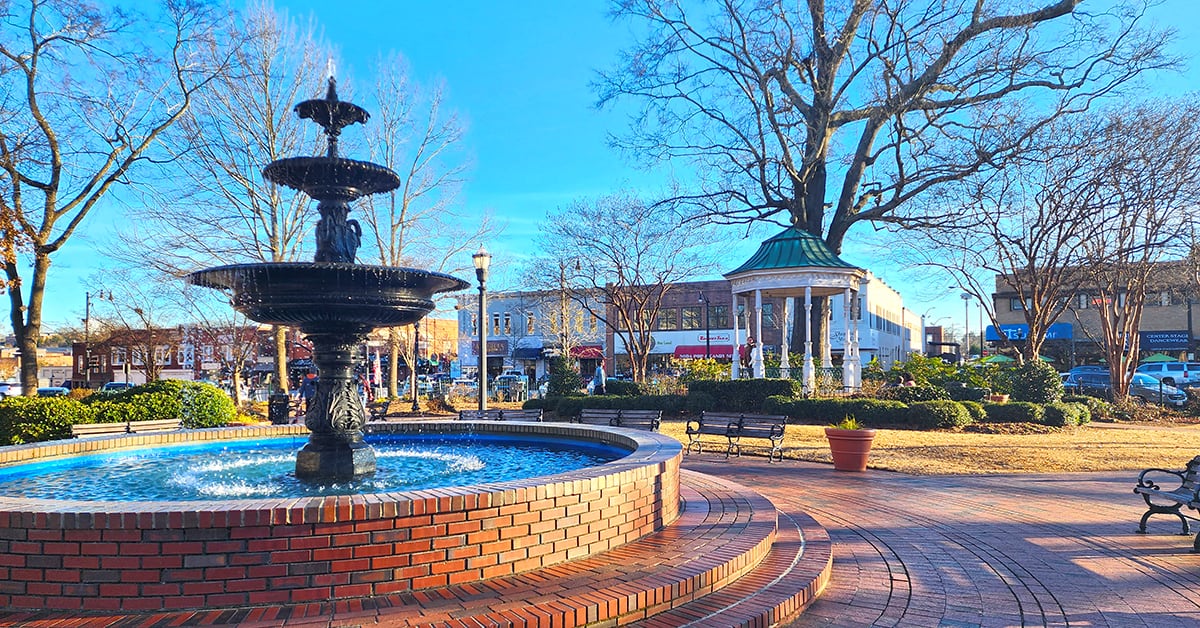
Marietta's Glover Park Square changes that equation. The historic square is a functioning public space with restaurants, shops, a live music venue, and community events year-round. The surrounding neighborhoods within walking distance of the square are among the more distinctive in all of Cobb County, with Victorian-era homes, craftsman bungalows, and tree canopy that the outer suburban edges of both Marietta and East Cobb cannot match.
For buyers who place value on a walkable neighborhood center with genuine character, Marietta's historic district is one of the stronger options in all of North Metro Atlanta. It is an asset that has no equivalent in East Cobb.

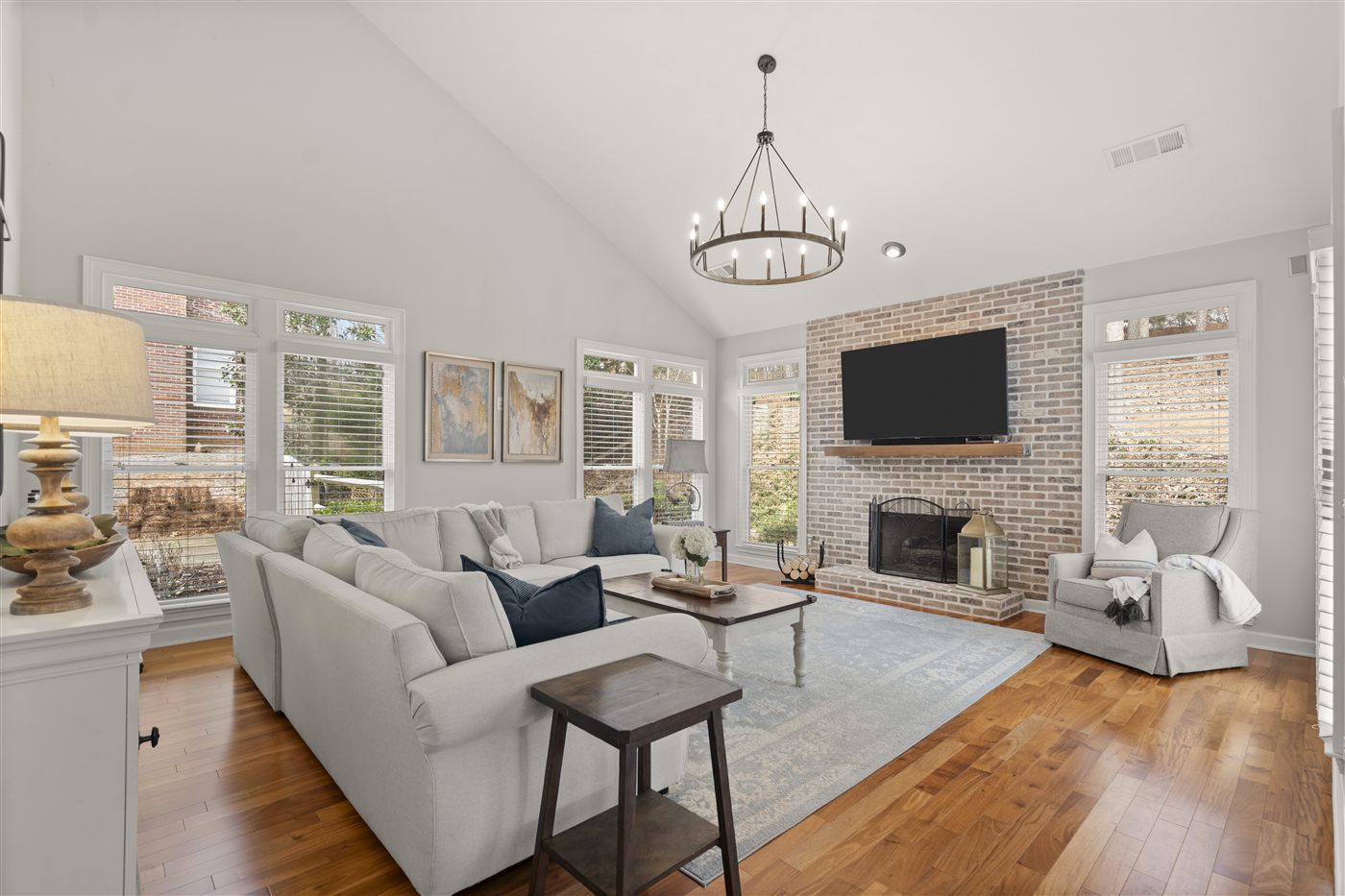
East Cobb's housing market is primarily in the $450,000 to $1.2 million range, with most of the volume occurring between $550,000 and $900,000. Homes in the Walton and Pope High School zones carry a market premium and tend to move faster than comparable homes in adjacent areas. The housing stock skews toward traditional two-story construction built primarily between the 1970s and the early 2000s, with a mix of updates and original finishes depending on the property.
Marietta's range is broader, starting in the mid $200,000s for smaller or less-updated properties on the city's edges and extending past $1 million for larger custom homes and renovated historic properties near the square. That wider range reflects Marietta's greater housing diversity rather than weaker fundamentals. A buyer with a $400,000 budget will find more options in Marietta than in East Cobb, while a buyer with a $750,000 budget will find strong inventory in both markets.
One notable distinction is the renovation opportunity in Marietta. The older housing stock in and around the historic district includes properties with original architectural detail that can be restored or updated to a standard that newer construction cannot replicate. Buyers who value that kind of character in a home and are willing to put in renovation work often find Marietta offers options that East Cobb's more homogenous suburban stock does not.

Both East Cobb and Marietta are served by the Cobb County School District. East Cobb's high schools include Walton, Pope, and Wheeler, each serving distinct portions of the area. Marietta's high schools include Lassiter, Marietta High, and Sprayberry, with Lassiter serving the northern Marietta corridor that borders East Cobb.
School zone lines in Cobb County do not always follow the East Cobb / Marietta geographic boundary cleanly. Some addresses that buyers consider East Cobb may fall within Marietta-associated school zones, and vice versa. Verifying the specific school assignment for any address you are seriously considering is worth doing early in the process, not after you are under contract.
Buyers for whom a specific school assignment is a firm requirement should approach the search with zone verification built into their initial filters rather than discovering zone discrepancies during due diligence.

Both East Cobb and Marietta offer reasonable access to I-75, which connects south to Downtown Atlanta and north toward Cherokee County. From most East Cobb neighborhoods, I-75 is reachable via Johnson Ferry Road, Roswell Road, or Canton Road in 10 to 20 minutes depending on your specific starting point.
Marietta sits closer to I-75's Cobb Parkway interchange and has direct access to I-285, which runs along Cobb County's southern edge and connects to the broader Metro Atlanta highway network. For residents who commute to Perimeter Center, Hartsfield-Jackson Airport, or destinations along I-285, Marietta's position is a meaningful practical advantage.
Both markets are well-positioned for the Smyrna and Cumberland employment corridor, which hosts offices for several major employers along the I-285 / US-41 corridor. Residents of either market can access Cumberland in roughly 20 to 30 minutes under normal conditions.
Buyers who prioritize suburban quiet, specific Cobb County school zones in the Walton or Pope feeders, and established residential neighborhoods tend to gravitate toward East Cobb. It delivers a consistent suburban experience that many families find genuinely satisfying.
Buyers who want more price diversity, a walkable downtown option, renovation opportunity, or the character of older neighborhoods tend to find Marietta more interesting. The historic district is a genuine draw for buyers who have been disappointed by the sameness of newer suburban construction.
Both markets have healthy resale demand and consistent buyer activity. Neither is a compromise. They are simply different, and the right choice depends on what you are actually looking for in the place you live.
Billy covers both East Cobb and Marietta in depth. If you want a realistic sense of what your budget returns in each right now, he can walk you through current inventory and help you figure out which area fits your household.
Billy has deep roots in Cobb County. Let him help you navigate both markets with someone who actually knows the streets.
📞 404-372-8883 · Responds within 2 hours